Just how do you feel in regards to The Do’s And Don’ts When Water Floods Your Home?
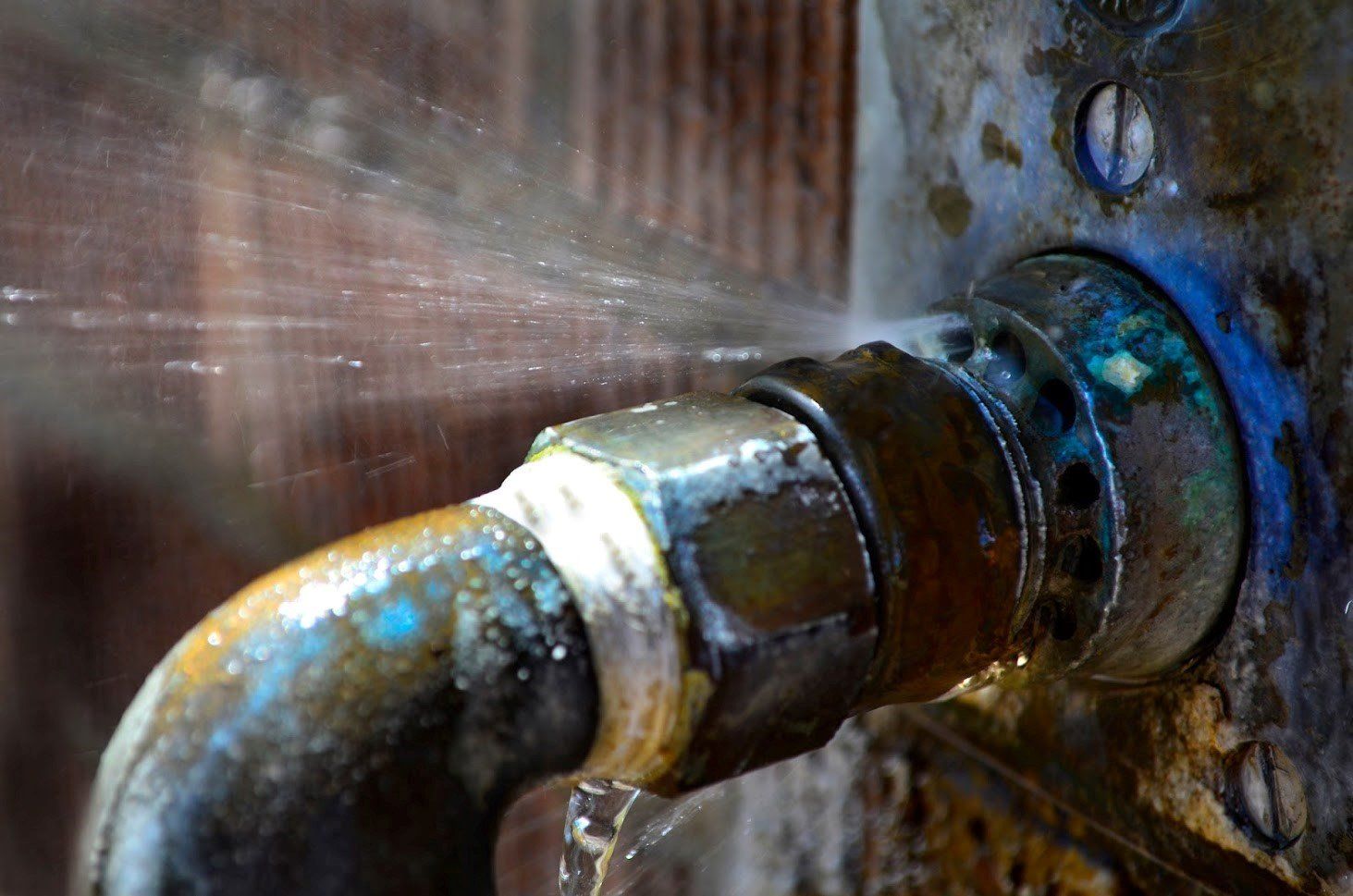
What should you do if a pipes bursts in your home, creating a mini-waterfall as well as swamping a location of your home? In this situation, you must act fast. The longer you wait, the more severe the water damage in your residential property. When an emergency similar to this occurs, clearheadedness is essential. For these reasons, you need to learn what to in case of a burst water pipe. Since time is of the essence, check out the following tips below to aid you act quickly.
Shut down the Key Waterline Shutoff
Look for the local shut-off shutoff to turn-off water in one particular location only. This will certainly cut off the water in your whole residence. Typically, the major shutoff is found outside the house next to the water meter.
Call Water Damage Reconstruction Pros for Help
After closing the water source, call the pros for help. With their professional aid, you can mitigate exacerbation since water can leak via your things resulting in warped baseboards, loosened floor tiles, or damages structure.
File the Damages For Insurance policy
As you are waiting for the pros to arrive, record the damage caused by the errant pipe. Take photos as well as video clips of every little thing. Do closeup shots of valuables. These things will function as proof for your homeowner's insurance. Staying positive with this enables you to sue for protection, which will certainly aid you and also your family members come back on your feet.
Recover Points That Can Be Conserved
When you're done taking photos, browse the products as well as get the most essential ones from the pile. Dry them off as well as try to preserve as much as you can. Drag them far from dampness so they can start to dry.
Begin the Drying Process
While waiting for the pros, you can begin the drying process. Thankfully, water from your waterlines are tidy so you do not have to bother with sewage system water. The flowing water might have disrupted the dust and particles in your floorboards and carpetings. So be prepared with handwear covers as you utilize buckets to dump out the water. Blot out as a lot as you can with old towels. You can likewise turn on an electric follower or open windows to advertise air blood circulation. This will accelerate drying out and hinder mold and mildew and mildew development.
Experts are the just one qualified to fix the burs pipes and succeeding damage. As well as bear in mind, pipes do not just unexpectedly burst. You will usually see red flags like bubbling paint, strange sounds in the plumbing, mildewy odor, caving ceiling, peeling off wallpaper, or water spots. Take note of these points, so you can nip any problems in the bud.
What should you do if a water pipeline bursts in your home, creating a mini-waterfall as well as flooding an area of your home? For these factors, you require to learn what to in instance of a ruptured water pipe. After closing the water source, call the pros for aid. With their professional help, you can alleviate exacerbation due to the fact that water can seep via your things resulting in deformed baseboards, loosened ceramic tiles, or damages structure. Thankfully, water from your waterlines are tidy so you do not have to fret concerning sewer water.
How to Handle a Burst Pipe and Minimize Damage
Steps to Take Ahead of Time
If you own property in an area that experiences cold weather, you need to be aware of seasonal maintenance tasks that will help you protect your property as the weather changes each year. One of the most important steps is to winterize your pipes to ensure they won't freeze or burst when the temperature drops. This includes action items like insulating any exposed pipes, detaching garden hoses and covering outdoor faucets. If the weather gets cold enough, you may even consider leaving a faucet dripping or opening cabinet doors during the coldest parts of the day.
No matter how prepared you might be, accidents and emergencies still happen. You'd be wise to set up a savings account specifically for your property so you have a "rainy day" fund set aside for unexpected expenses. All homes—regardless of age, location or condition—will inevitably need some form of emergency repair.
Steps to Take for Frozen Pipes
A frozen pipe will not necessarily burst, so if you can catch a frozen pipe early on, you could save yourself a major headache. When your area experiences frigid temperatures, be sure to check your plumbing and keep an eye out for warning signs like faucets only releasing small amounts of water or toilets not refilling when flushed. If you do run into one of these issues, you're likely dealing with a frozen pipe.
If this happens, your first step should be to cut off the water supply to that section of the plumbing. Expanding and freezing water can quickly cause damage. Even if the water supply is shut off, you will likely still deal with some leaking from the water that defrosts after the pipe has thawed. Be prepared with a mop, bucket and/or towels to quickly soak up any excess water.
In order to thaw a frozen pipe, you can use a space heater, infrared or incandescent heat lamp, or even a hairdryer to warm up the frozen area. Heat tape is also an option and should be used according to manufacturer instructions. Do not use any sort of open flame to thaw frozen pipes, as it poses a major fire hazard and can damage your pipes further.
Steps to Take for a Burst Pipe
Water damage claims are the second most common insurance claim in the U.S. When you're dealing with a frozen pipe, the water continues to expand as it freezes, which creates pressure that can cause a pipe to burst. When this happens, the crack or leak in the pipe allows water flow from the pipe to enter your home where it shouldn't. If a pipe does burst, you need to act quickly to mitigate property damage and repair cost.
Your very first step should be to shut off your main water supply to minimize flooding—typically the most expensive damage to address. Once you've shut off the water supply, make sure you identify the entire area that has been impacted by the leak. Remove as much water as possible—as quickly as possible—using a mop, sponges, towels or a shop vacuum or wet/dry vacuum. To prevent long-term damage due to moisture build-up, run a dehumidifier or fan in the affected area. Contact a licensed plumber to ensure the pipe is correctly repaired before running any water to that section of the home again. Burst pipes and the associated water damage are something you absolutely want to avoid as a property owner. If you've had to learn your lesson the hard way, don't let yourself get caught in a similar situation during the next spell of cold weather. The best way to deal with frozen or burst pipes is to prevent them in the first place—proactive winter maintenance will save you time, money and a whole lot of stress.

I was made aware of that editorial on Water Damage Restoration Do’s And Don’t from a friend on a different web page. Sharing is caring. You just don't know, you could be helping someone out. I am grateful for your time. Don't hesitate to come visit our website back soon.